First, know this is normal
Sleep isn't a flat line — it's a series of cycles, and each one ends with a brief rise toward wakefulness. Most of the time you surface, roll over, and never remember it. The 3 a.m. waking you do remember is the same event with one difference: this time, you engaged with it. That's the fixable part.
The first two minutes: don't negotiate
The moments right after waking decide everything. Two moves reliably turn a brief waking into a long one: checking the time (which hands your brain a math problem about how little sleep you're getting) and reaching for your phone (which is light, content, and time all at once). Refuse both. The number on the clock has never once helped anyone fall back asleep.
The stay-in-bed protocol
If you're only lightly awake, stay put and work down, in this order:
- Slow your breathing — long, unhurried exhales tell the body there's no emergency.
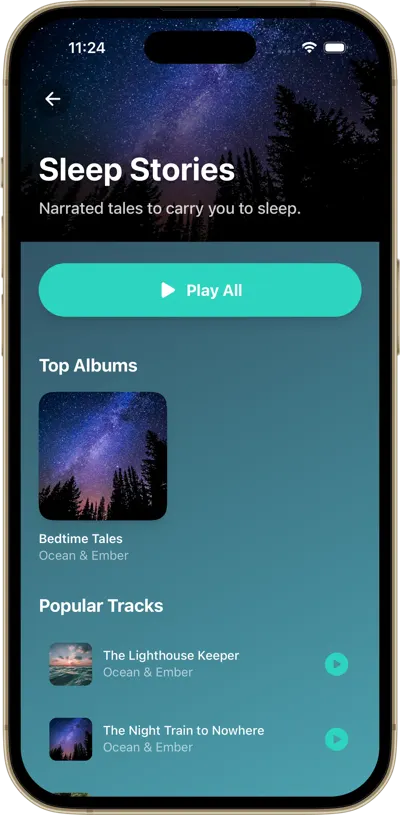
- If the mind starts looping, give it a thread: restart your sleep story or let the sound hold your attention instead.
- Keep the lights off and the room exactly as it was — every change is a wake-up signal.
- If your sounds have faded out, restart them on a fresh short timer; the gentle fade means they won't wake you a second time.
The 20-minute rule, night edition
If it's been roughly twenty minutes and you're clearly, frustratingly awake, get up. Lying in bed battling trains your brain to associate the bed with struggle. Move to another room, keep the lights dim, and do something deliberately boring — a few pages of an unexciting book is the classic choice. Return when you feel drowsy, not when you feel defeated.
Why 3 a.m. specifically?
Nothing mystical: sleep cycles get lighter toward morning as deep sleep is used up, so the second half of the night is simply easier to wake from. Anything that lightens sleep further — alcohol, a warm room, stress, a full bladder — tends to surface right around then. If you always wake at the same time, it's usually because that's when your cycles run shallow, not because the hour itself means anything.
Make tomorrow night easier
Frequent 3 a.m. wakings usually have a pattern behind them, and the pattern responds to boring inputs: a consistent wake-up time, a caffeine cutoff eight hours before bed, alcohol kept well away from bedtime, a cool dark room, and a steady sound playing through the light-sleep hours at low volume. Our sleep hygiene checklist walks the full setup.
One honest caveat: if you're waking and not falling back asleep three or more nights a week, for three months or more, that's chronic insomnia — and the recommended first-line treatment, CBT-I, is more effective than any tip on this page. A doctor can point you to it. And if a partner reports loud snoring or gasping pauses, mention that to the doctor too; that's a different, very treatable problem.
Hear it for yourself
These guides are easier to act on than to read. The sounds they reference each have their own page — the ones marked Free play right there on the site.
Try it live
Two quiet minutes of paced breathing — the fastest way to stop negotiating with the ceiling.